
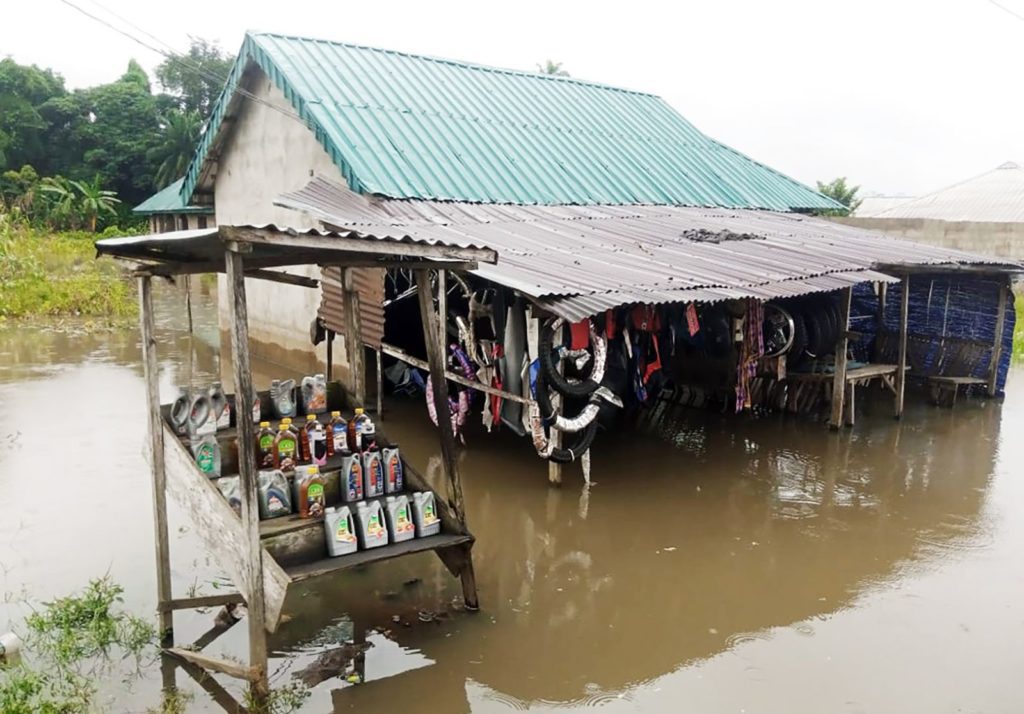
Intense floods have hit and affected most of Nigeria, and they are expected to continue throughout November. 33 out of 36 Nigerian states were impacted by the floods, and the destruction has shaken the entire nation up with over 600 deaths and around 89 thousand houses completely destroyed, with 70.5 thousand hectares of farmland ruined. All of this has caused the displacement of 1.3 million people.
Flooding hits Nigeria seasonally, and is a common occurrence. However, unusually heavy rain and climate change have been blamed for the more damaging floods of late. Additionally, the emergency release of excess water from dams in both Nigeria and Cameroon has been identified as a possible reason for these very impairing floods.
The Nigerian government has received criticism for their substandard response. Sadiya Umar Farouq, the minister of humanitarian affairs, has accused local governments of not being prepared to take adequate action in preparation for the floods. As well as needing to relocate, the people of Nigeria are faced with the issue of not being able to afford food. The rising inflation (which stands currently at 20.5 percent, a 17-year high) makes it difficult for people to make ends meet regardless, but to those who lost all they had when their houses were destroyed, the situation appears even darker.
A woman named Peremoboere Geku spoke to Al-Jazeera, and explained just how little food people have to share between them. “The last time they came here, they gave us just two bags of rice, a bag and a half of garri (a sort of granular flour), half a gallon of oil and half a gallon of palm oil for all the families.” She went on to mention that this was the only time the government has sent relief resources to their rescue camp.
There are some communities that, due to the water levels surrounding them, aren’t able to receive any help whatsoever. Bayelsa, a state in the south of the country, is one of them and is said to be in a state that has not been witnessed before in the past.
Due to this, health conditions have worsened and disease-related deaths are on the rise. According to UNICEF, there have been 7485 reported cases of cholera, and 319 deaths associated with it as of October 12th in the north-eastern states of Borno, Adawama and Yobe alone. UNICEF also ranks Nigeria as second out of 163 countries on the Children’s Climate Risk Index, giving it an “extremely high risk” rating. This means that children in Nigeria are exposed to enormous environmental problems coupled with “inadequate essential services” such as water and sanitation.
Apart from the obvious, the floods have also meant some more implicit economic effects. Nigeria LNG, a liquefied natural gas company, has declared force majeure (being unable to fulfill contract terms due to unforeseeable circumstances) following the natural disasters in Nigeria. They will likely not be able to export as much gas to Europe as they planned to. This is a lose-lose situation for both Nigeria, whose economy could do with a boost, and Europe, where gas supply is already very scarce. The African nation relies on natural gas export for around 90 percent of its foreign exchange and half of its budget.
Government aid needs to be increased and distributed more efficiently throughout the country during this environmental disaster. Since floods like this will continue happening in Nigeria, a better system to fight against them must be implemented. Only with an infrastructure more suited to help people in situations like these will the people be able to live safe and stable lives, and not worry about natural disasters destroying everything and harming everyone in sight.
Views of this article